The Current Plunge in Metal Prices: A Crisis or a Golden Opportunity?
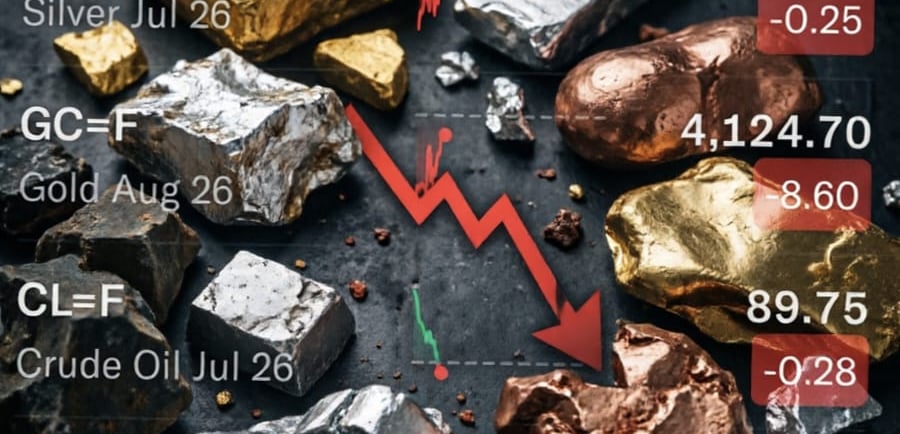
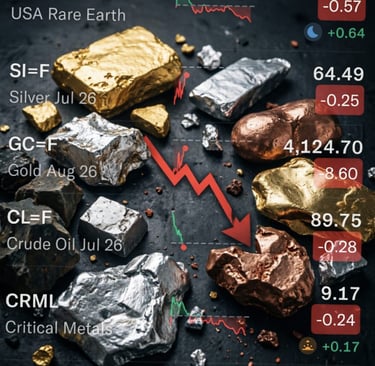
The metals market is experiencing a significant downturn, prompting many investors and analysts to ponder the implications of this decline. From gold and silver to copper and precious metals, the question arises: is this a crisis or a golden opportunity?
CRITICAL MINERALSMETALSPRECIOUS METALSSTOCKS
Understanding the Factors Behind the Decline
Several key factors are contributing to the current plunge in metal prices. One of the principal drivers is the strengthening U.S. dollar, which often inversely correlates with precious metals.
As the dollar gains strength, investors tend to flock to it for stability, moving away from traditional safe havens like gold and silver. Consequently, this shift dampens demand and leads to falling prices.
Moreover, high energy costs are squeezing the margins of industrial metal producers, further exacerbating the situation. The current economic climate has driven up operational costs for extraction and processing, compelling businesses to reduce output or pass costs on to consumers. This dynamic is particularly impactful on metals critical for manufacturing and industrial applications.
Lastly, the weakening demand for electric vehicles (EVs) has dealt a blow to niche metals such as cobalt. With consumer interest fluctuating and economic conditions affecting purchasing power, the expectations for sustainable growth in the EV sector have been tempered, resulting in decreased market demand for certain metals.
Investor Strategy: Navigating the Market
In light of these developments, how should investors respond? The key is to resist the urge for panic selling or hasty buying, also known as bottom-fishing. Such reactions can often lead to poor investment decisions. Instead, investors should focus on supply-constrained assets, particularly metals like copper and strategic rare earths, which are essential for modern technologies.
One effective investment strategy during volatile cycles is dollar-cost averaging. This approach entails gradually building positions in selected metals over time rather than making a lump-sum investment. By keeping exposure under 10% until clearer macroeconomic signals emerge, investors can hedge against further price declines while preparing to capitalize on future recoveries.
Conclusion: Patience is Key
The current situation in the metals market, characterized by a notable downturn, presents both risks and opportunities. By understanding the underlying causes, including the strength of the U.S. dollar, high energy costs, and fluctuating demand for niche metals, investors can make informed decisions. Ultimately, achieving success in these volatile cycles heavily relies on patience and strategic investment choices.